I know that 5 PM panic when you realize you have no idea what’s for dinner.
You’re standing in your kitchen, exhausted from the day, and your brain just won’t cooperate. So you grab your phone and order takeout again. Then you feel guilty about the money and the fact that you’re eating fried food for the third time this week.
I’ve been there too many times to count.
This article is about ending that cycle. I’m going to show you meal planning that actually works for people who are busy and don’t want another complicated system to manage.
These aren’t fancy strategies that look good on paper but fall apart in real life. I’m talking about easy food approaches that I’ve tested in actual hectic households where time is tight and energy is low.
You’ll learn how to plan meals without spending hours on it. How to stop the decision fatigue that hits every evening. And how to get your time back without turning into someone who meal preps on Sundays for three hours.
No complex spreadsheets. No elaborate prep sessions. Just simple ways to answer “What’s for dinner?” before 5 PM hits and your brain shuts down.
The Mindset Shift: From Chore to Time-Saving Tool
I used to think meal prep meant spending my entire Sunday cooking.
You know the drill. Rows of identical containers lined up on the counter. Hours of chopping and stirring. A kitchen that looked like a disaster zone.
I tried it once and lasted exactly two weeks before I gave up.
Here’s what I figured out instead.
Real meal prep isn’t about cooking everything at once. It’s about making a few smart choices upfront so you’re not standing in front of your fridge at 7 PM wondering what to eat.
The goal is good enough. Not perfect. Not Instagram-worthy. Just simple food that tastes decent and doesn’t require a PhD to prepare.
I started with three dinners a week. That’s it.
Monday, Wednesday, Friday. I’d pick what I wanted to make and write it down. Sometimes I’d prep a few ingredients on Sunday (nothing crazy). Other times I’d just know what I was making and that was enough.
What surprised me was how much mental space this freed up. No more staring at my pantry trying to figure out dinner. No more last-minute takeout because I couldn’t decide.
One decision replaced dozens of small, stressful ones.
Think about it. Every time you wonder what’s for dinner, you’re making a choice. Then you’re deciding if you have the ingredients. Then if you have the energy. Then if you should just order something instead.
That’s exhausting.
When I plan just three or four meals, I cut out all that noise. I already know what I’m making. I already have what I need. I can even play around with cooking with spices techniques to enhance flavors without overthinking it.
The other nights? I keep it loose. Leftovers, eggs, whatever.
This isn’t about being rigid. It’s about giving yourself a framework so the week doesn’t feel like chaos.
Strategy 1: The ‘Theme Night’ Method for Zero Guesswork
You know what kills meal planning?
Too many options.
When you stare at a blank calendar and think “what should I make this week,” you’re setting yourself up to fail. Your brain freezes. You end up ordering takeout again.
Here’s what actually works.
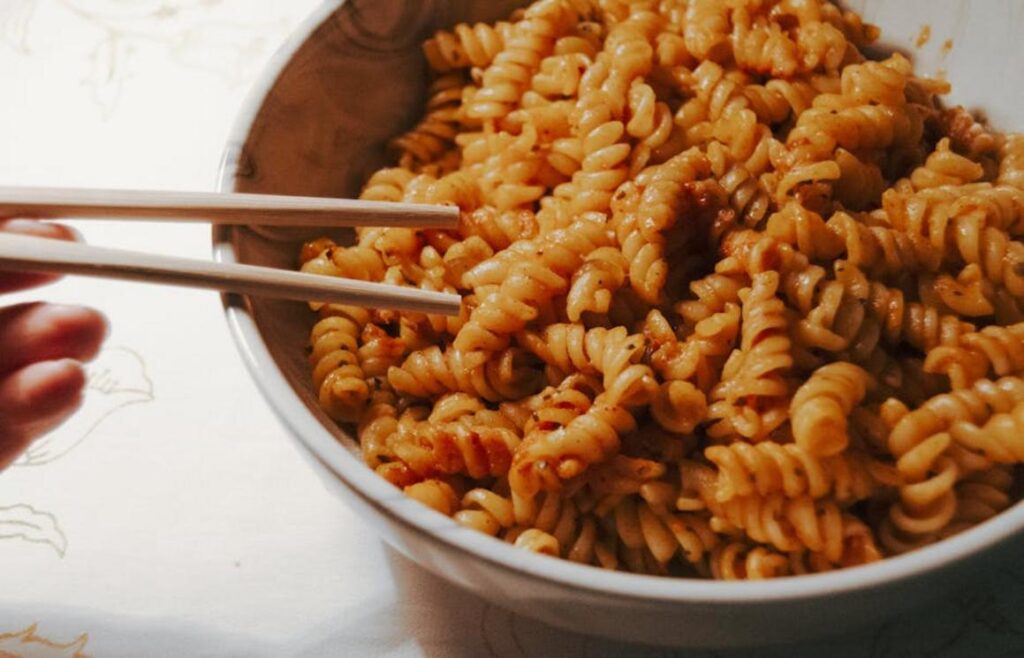
Assign each night a theme. That’s it. Monday is always pasta. Tuesday is always tacos. Wednesday is soup or salad.
Sounds too simple, right? Some people say this approach is too rigid. They argue that you’ll get bored eating the same categories every week and lose all creativity in the kitchen.
But here’s what they’re missing.
Themes aren’t about eating identical meals. They’re about cutting decision fatigue. When you know Tuesday is taco night, you’re not choosing between 47 different dinner ideas. You’re just deciding: chicken tacos or fish tacos? Black beans or pinto?
That’s the difference.
Let me show you a basic setup:
- Meatless Monday (pasta, grain bowls, veggie stir-fry)
- Taco Tuesday (any protein, any style)
- Pasta Wednesday (red sauce, white sauce, whatever)
- Leftovers Thursday (nothing new to cook)
- Pizza Friday (homemade or ordered, your call)
Notice something? Thursday gives you a break. Friday is low effort. You’re not cooking hard meals seven nights straight because that’s not realistic.
Here’s what most easy food fhthblog posts won’t tell you: your themes can be as broad or narrow as you want. “Chicken night” works. So does “sheet pan dinner night” or “15-minute meals night.”
Make your own list right now. Pick five themes that match what you actually like to eat. Not what sounds impressive. What you’ll actually cook on a random Wednesday when you’re tired.
Write them down. Put them on your fridge.
That’s your new system.
Strategy 2: The ‘Batch & Build’ Blueprint for Versatility
Most meal prep advice tells you to cook seven identical lunches and call it a day.
I think that’s a terrible idea.
You know what happens by Wednesday? You’re staring at the same container you’ve eaten twice already and suddenly that drive-through looks pretty good.
Here’s what I do instead.
I spend one hour on Sunday prepping components. Not full meals. Just building blocks.
The basics I always make:
- One protein (shredded chicken or ground turkey)
- One grain (usually rice or quinoa)
- Two vegetables (roasted broccoli and bell peppers are my go-to)
That’s it.
Now here’s where this gets interesting. These four things can become completely different meals depending on how you throw them together.
Monday I’ll make a grain bowl with everything mixed in. Tuesday it’s a wrap with some salsa. Wednesday I toss the protein on a salad. Thursday might be a quick stir-fry situation.
Same ingredients. Different experience every time.
This is exactly how to create a healthy meal plan for the week without losing your mind. You’re not locked into eating the same thing over and over.
Pro tip: Keep a few different sauces in your fridge. Hot sauce, tahini, and teriyaki can make the same base ingredients taste completely different.
I won’t lie and say this makes you some kind of easy food fhthblog expert overnight. But it does mean you’ll actually stick with it past week one.
Your Convenience Toolkit: Smart Shopping & Prep Hacks
I know some of you are rolling your eyes right now.
Shortcuts? Pre-cut vegetables? That’s not real cooking.
I hear this all the time. People say that using convenience items means you’re lazy or that you don’t care about quality. They’ll tell you that a true home cook chops their own onions and never touches anything pre-made.
But here’s what I think.
That mindset keeps people out of the kitchen entirely. You come home exhausted and the idea of peeling and chopping an onion for 15 minutes? It kills your motivation before you even start.
A store-bought rotisserie chicken isn’t cheating. It’s a protein that’s already cooked and ready to shred into tacos or toss on a salad. Pre-chopped onions save you tears and time (and let’s be honest, sometimes your knife skills just aren’t there yet).
Frozen stir-fry mixes are your best friend when you need dinner in 10 minutes.
Here’s my one-touch grocery system. Open your phone’s notes app right now. Create a list organized by store aisle. When you run out of something during the week, add it immediately. No more wandering the store trying to remember what you needed.
And grocery pickup? Non-negotiable for me.
Some people say it costs extra or that you can’t pick your own produce. Fair point. But I’d rather spend that 45 minutes doing literally anything else than pushing a cart around on a Wednesday night.
Check out easy food fhthblog for more ways to make cooking work with your actual life.
Reclaim Your Weeknights, One Meal at a Time
You know that 5 PM panic when you realize you have no idea what’s for dinner.
It happens every single day. You’re tired from work and the last thing you want is another decision to make.
I get it. The daily stress of figuring out what to eat drains you before you even start cooking.
But here’s the thing: this problem is solvable.
You now have simple strategies that actually work for busy people. Meal themes give structure to your week without boxing you in. Batching components means you prep once and eat multiple times.
The secret is making decisions upfront. When you plan even a little bit, the rest of the week gets easier.
You don’t need to overhaul your entire life this week.
Start Small and Build Momentum
Pick one theme for one night. Maybe it’s Taco Tuesday or a simple pasta night.
See how it feels when that decision is already made for you.
Visit easy food fhthblog for more meal planning strategies that fit real life. We focus on practical solutions that don’t require you to become a different person.
One theme. One night. That’s your starting point.

 Charles brings his sharp eye for detail and love of global cuisine to FoodHypeSaga. His writing dives into food culture, exploring fresh trends and unique flavors with a modern perspective.