
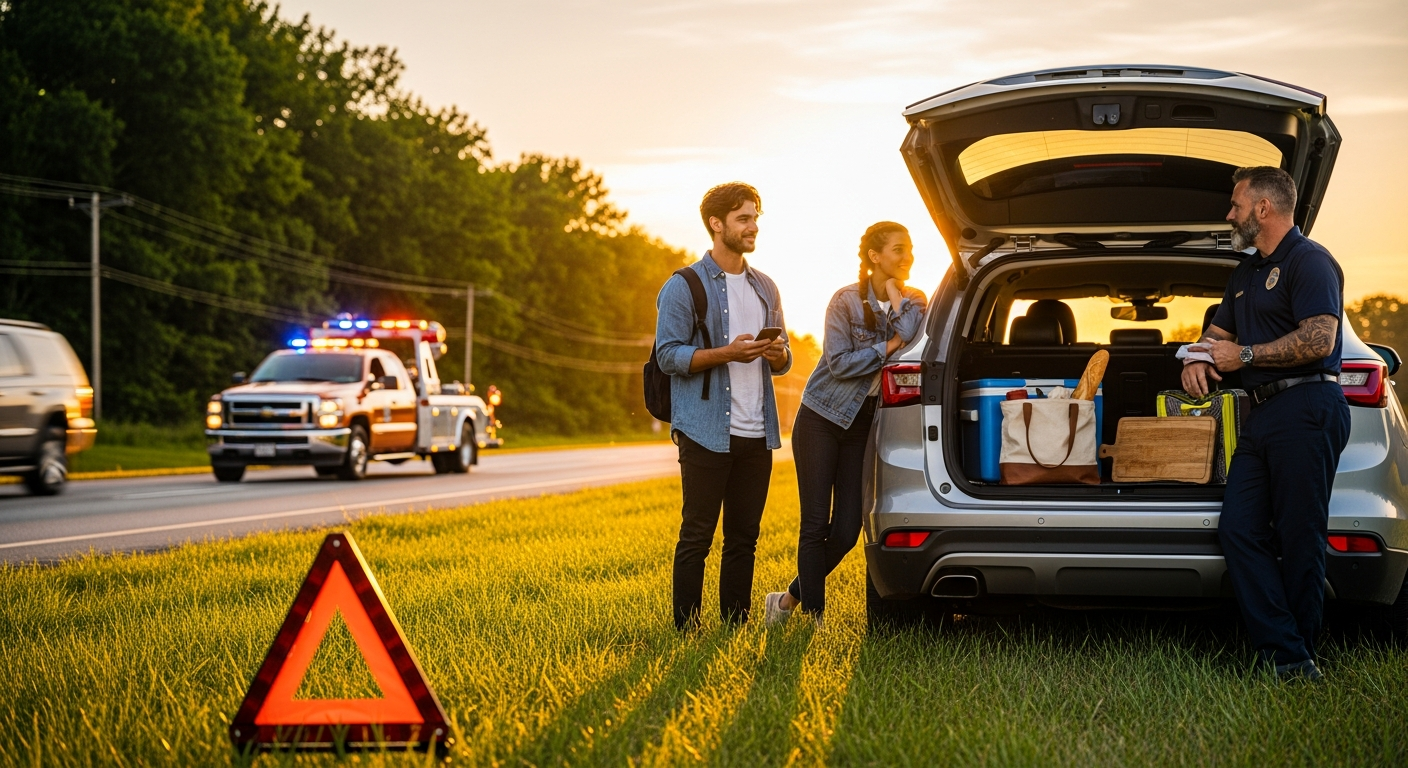
Food-focused road trips are booming across the country, and more Americans are chasing regional cuisine as the driving force behind their domestic travel plans. Illinois stands out as a uniquely rewarding destination for these journeys, offering everything from historic diners to rural riverfront catfish joints you won’t find on any franchise menu. Travelers can easily build an itinerary around the centennial celebrations of Route 66 or discover off-the-beaten-path comforts in small towns that barely show up on Google Maps.
But here’s the thing: the same highways that connect these incredible dining stops also bring serious seasonal hazards. Seasonal road hazards peak significantly over the summer, particularly during the dangerous stretch between Memorial Day and Labor Day.
Because of this, staying completely focused while driving is more critical than ever. You need to balance the excitement of finding your next great meal with the reality of active work zones, distracted drivers, and congested interstates. Not exactly the fun part of trip planning, right? It’s worth the effort, though.
Build Your Food Route Around Safer Timing, Not Just Great Stops
Pick roads and departure windows that lower stress
Road-trip safety starts long before you turn the ignition, and smart scheduling can drastically reduce your stress behind the wheel. Leaving early in the morning helps you beat the worst of the summer heat, avoid peak traffic congestion, and cut down on that heavy-eyelid afternoon fatigue that hits around 2 p.m. Checking for active closures is critical; IDOT maintains active work zones across the state even during major holiday travel windows.
Sudden route disruptions occur frequently, such as the US 45 weekend closure in White County or the resumption of I-88 construction in Whiteside County. Picture this: you’ve got a 6 p.m. reservation at a spot you’ve been dying to try, and suddenly half of your planned route is coned off. That’s how rushed driving happens. Balance your desire to take scenic backroads with realistic travel times between restaurant reservations so you never feel pressured to speed.
Know which Illinois corridors demand extra caution
Certain stretches of pavement require significantly more defensive driving than a quiet country lane. A recent national study identified five deadly Illinois interstates, including Interstate 94, Interstate 57, Interstate 290, and Interstate 294, among the 100 deadliest highways in America. Navigating these high-volume routes means dealing with sudden braking, aggressive lane changes, and heavy commercial truck traffic, which can make your sedan feel very small, very fast.
Local suburban corridors also pose risks, prompting efforts such as the Route 59 safety initiative targeting that busy corridor. Recognizing these hazard zones allows you to adjust your speed, increase your following distance, and pass through more safely on your way to the dining table. Think of it like scouting a restaurant’s menu before you go; a little homework upfront saves a lot of grief later.
| Trip Planning Factor | Safer Choice | Riskier Choice | Why It Matters |
|---|---|---|---|
| Departure time | Early morning | Late afternoon/evening | Less heat, less fatigue, lighter traffic |
| Route selection | Confirmed open roads with service stops | Long isolated stretches with little shoulder space | Easier breakdown response |
| Dining schedule | Built-in buffer between stops | Tight timing between meals and attractions | Reduces speeding and stress |
| Traffic monitoring | Check IDOT/ISP alerts before leaving | Rely on GPS alone | GPS may not reflect evolving work zones |
| Fuel strategy | Refill before rural stretches | Wait until the tank is low | Reduces the chance of being stranded |
Prepare Your Vehicle Like Your Reservation Depends on It
Do a pre-trip check the day before
Treating your vehicle preparation as part of the food experience helps make sure a mechanical failure doesn’t ruin your itinerary. Drivers should routinely monitor their car’s battery health, tire pressure, and tread wear during the summer. Intense seasonal heat places severe thermal stress on vital mechanical systems, frequently triggering unexpected breakdowns or tire failures. Checking your coolant, oil, and windshield wiper fluid levels takes only a few minutes but can prevent major highway breakdowns. Ask any mechanic, and they’ll tell you: the five-minute check you skip is the one that costs you three hours on the shoulder.
State safety officials remind travelers that basic precautions save lives. In 2024, 252 unrestrained people died in crashes, which is why the state’s 93% seat belt use rate still needs to improve. When driving out to remote dining spots where cell coverage might drop, it is always smart to carry a physical road map alongside your vehicle’s jack and a properly inflated spare tire. Sound paranoid? Maybe. But you’ve probably never met anyone who regretted being too prepared for a road trip.
7 Things to Keep in Your Car on an Illinois Summer Food Road Trip
Packing your vehicle correctly means preparing for unexpected roadside delays, not just bringing along extra snacks. If you suffer a breakdown under the intense afternoon sun, having the right supplies makes the situation more manageable and much safer. Here’s what belongs in the trunk before you leave the driveway:
-
Water for every passenger to help prevent dehydration during delays (and yes, bottled water heats up fast in a trunk, so toss it in an insulated bag).
-
Reflective triangles or road flares to warn approaching traffic.
-
A charged power bank and a dedicated car charger.
-
Paper towels and basic cleaning wipes for unexpected messes.
-
A flashlight with fresh batteries for nighttime emergencies.
-
A compact first-aid kit stocked with bandages and antiseptics.
-
A roadside assistance contact card or active smartphone app (AAA, your insurer’s app, or even a saved number in your contacts).
Drive Like the Best Meal of the Day Is Still Ahead of You
The biggest mistakes on Illinois summer drives are also the most preventable
Your behavior behind the wheel largely dictates your crash risk, and the most common causes of highway collisions are entirely avoidable. The Illinois State Police warns drivers about the “Fatal Four”: distracted driving, speeding, impaired driving, and failing to buckle up. Troopers note that while eating behind the wheel isn’t strictly illegal, it becomes a serious liability if the physical distraction affects your vehicle control. Think about it: fumbling with a foil-wrapped burrito at 65 mph isn’t all that different from texting, at least in terms of where your eyes and hands aren’t.
Maintaining a steady speed and keeping your eyes on the road helps prevent sudden collisions when traffic patterns shift unexpectedly. You’ll enjoy the destination much more when you prioritize defensive habits instead of rushing through dangerous highway conditions.
Food travelers have their own distraction traps
Culinary tourists face unique temptations that pull their attention away from active travel lanes. You might catch yourself scanning Yelp reviews, adjusting your GPS near an unfamiliar exit, or trying to pass drinks to passengers in the back seat. Sound familiar? Filming roadside attractions from the driver’s seat or driving aggressively because a dinner reservation is approaching drastically increases your crash risk.
Instead, let a passenger manage the navigation system (apps like Waze or Google Maps work great with voice directions) and pull completely off the road into a safe parking lot to change your digital destination. Building extra time into your schedule removes the pressure to speed, allowing you to reach your table comfortably and safely. So far, you’ve nailed down route planning, vehicle prep, and driving habits; now let’s talk about what happens if something goes wrong anyway.
If Your Car Breaks Down, Protect People First and Property Second
What to do immediately after a breakdown on a busy Illinois road
Mechanical failures become highly dangerous because of surrounding traffic, not the condition of the broken vehicle itself. If you hear a tire pop or lose engine power, signal early and move your vehicle as far off the roadway as possible. You should aim for a designated rest area, a gas station, or an exit ramp instead of stopping directly next to moving highway lanes.
Turn on your hazard lights immediately, and stay securely buckled inside the vehicle if you can’t safely step away from traffic. If you absolutely must exit, always use the doors facing away from traffic and keep all passengers safely behind guardrails. This isn’t the time to inspect the damage or start Googling nearby mechanics; just get everyone safe first.
How to behave when police, tow trucks, or emergency crews arrive
When emergency responders arrive at your breakdown, giving them adequate space to work is both a legal requirement and a safety essential. Follow their instructions immediately, and don’t wander around the shoulder to inspect vehicle damage while highway traffic moves past at full speed.
Illinois move-over rules require drivers to act cautiously to protect first responders, tow operators, and ordinary citizens stranded near a crash scene. A new 2026 Illinois law expanded Scott’s Law protections, broadening coverage for people near emergency scenes. That matters if a roadside crash leads to injuries and an insurance claim. Roadside incidents often become far more serious after the initial breakdown than during the mechanical failure itself, which is exactly why these protections exist.
If a roadside collision causes injuries, document carefully
Secondary collisions at breakdown sites happen fast, and handling the aftermath calmly protects your physical and financial well-being. Call 911 immediately if anyone sustains an injury, and exchange insurance and contact information with the other involved motorists. Photograph the final vehicle positions, shoulder conditions, warning lights, scattered debris, and visible injuries only if it’s entirely safe to do so.
Note the exact time, weather conditions, the nearest mile marker or exit sign, and the names of the responding agencies. Seek prompt professional medical attention; adrenaline can mask serious symptoms that don’t appear until hours later. Scott’s Law penalties can escalate significantly in severe injury incidents, so having thorough documentation matters more than you might think in the moment.
Stay Flexible When Summer Conditions Change the Plan
Roadwork, heat, and rural stretches can change your day fast
Even the most carefully planned culinary itinerary requires adjustments when unpredictable summer weather alters your driving conditions. Work zones emerge suddenly, such as the Illinois 203 lane closures in Madison County, requiring slow merging. Rural roads pose distinct hazards, as evidenced by a crash that closed Illinois Route 49 and forced drivers into unplanned detours.
You’ve got to add generous time buffers to your schedule, keep an alternate dining stop in mind, and resist the urge to make up lost time by speeding. Pulling over when severe weather or extreme driver fatigue sets in helps make sure you can enjoy another great meal later. And honestly? The best food trips leave room for the unexpected anyway.
A safer trip is usually the more memorable one
Embracing a flexible mindset ultimately improves the quality of your food journey, helping you arrive at the restaurant relaxed rather than white-knuckling it after an hour of construction traffic. Unplanned detours often yield the best surprises, whether you stumble into the Route 66 centennial picnic in Normal (a 1950s-themed roadside event, no less) or find a quiet bakery tucked behind a grain elevator.
Illinois boasts incredible hidden dining spots like Bernadotte Cafe in Ipava that make the scenic diversion worthwhile. Destinations like the E’Town River Restaurant in Southern Illinois offer comforting food alongside river views, rewarding drivers who take their time. The state has enough worthy culinary destinations that missing one specific reservation won’t ruin your entire weekend adventure.
Make the Meal the Story, Not the Shoulder
Thorough vehicle preparation and cautious route planning transform a potentially stressful summer drive into an enjoyable regional food tour. Experiencing the legendary diners, small-town cafes, and riverfront restaurants of Illinois requires you to navigate active work zones and congested tollways responsibly. Treating breakdown protocols and defensive driving tactics as mandatory parts of your itinerary (right up there with “make reservations” and “charge the phone”) helps protect your passengers and your property.
Always build extra time into your schedule, give first responders plenty of space, and keep your focus on the road. By respecting the realities of summer highway travel, you improve the odds that the most memorable moments of your trip happen at the dining table, not on the shoulder of I-94.



































































































































































































































































































































































































































































































































































































































































































































































































































































































































































































































































































































































































































































 Charles brings his sharp eye for detail and love of global cuisine to FoodHypeSaga. His writing dives into food culture, exploring fresh trends and unique flavors with a modern perspective.