What’s Really Going to Waste
Let’s call it what it is most of us are tossing perfectly good food. In the U.S. alone, nearly 40% of all food goes to waste, and households are a major piece of that puzzle. It’s not expired cans or grocery store dumps leading the charge. It’s the half pan of roasted veggies we swore we’d eat, or those curry leftovers we pushed to the back of the fridge until they grew their own ecosystem.
Why does this happen? Mostly, it’s habit. We overcook, under plan, or just forget what’s in the fridge. Leftovers become the leftovers of leftovers, and by then, it’s straight to the trash. But here’s the fix: treat leftovers not as second rate scraps, but as prepped ingredients. That lemon chicken isn’t old it’s five minutes away from becoming a sandwich, a wrap, or half a pasta dish. Broccoli doesn’t need a full reheat session when it can go right into a stir fry.
Reframing is everything. It’s not about shame; it’s about strategy. That Tupperware full of rice is just convenience waiting to be noticed. A little intention turns waste into a win. Commit to seeing your fridge as a toolkit, not a storage closet. That mindset shift is the key to cutting down food waste at home quietly, effectively, and without drama.
Zero Waste Cooking with Leftovers
Leftovers don’t have to be limp or guilt inducing. They’re just ingredients waiting to be reimagined.
Last night’s roasted veggies or rice? Fold them into a morning frittata or stuff them in a tortilla for a lunch burrito that packs flavor without extra prep. The trick is in knowing what carries over well roasted root veggies, sautéed greens, even pasta can take on new life with eggs, cheese, or hot sauce.
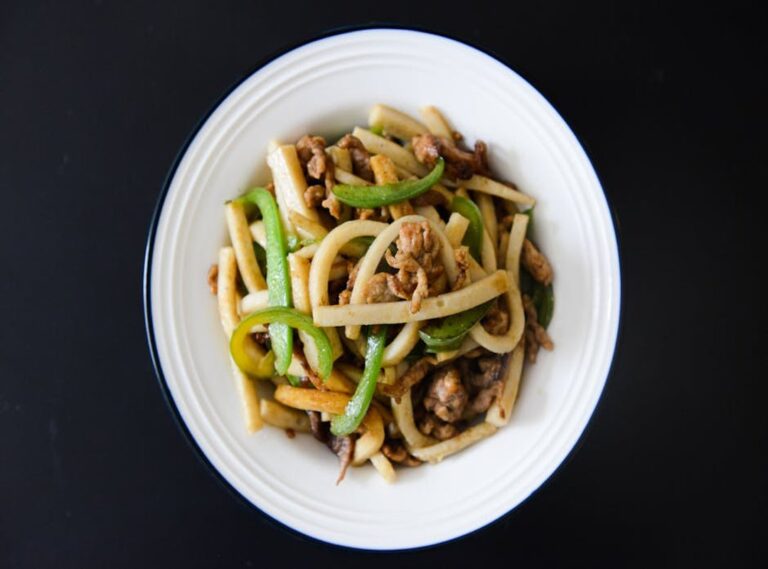
Soups, stir fries, and grain bowls are where leftovers thrive. You don’t need a recipe just a baseline formula. Start with a base (broth, rice, quinoa), pile in odds and ends (protein, greens, cooked veg), and finish with something punchy (fresh herbs, citrus, spice). It’s fast, flexible, and forgiving.
And don’t overlook the scraps. Carrot tops make a peppery pesto with olive oil and nuts. Corn cobs, onion skins, and herb stems become rich broth when simmered slow. What once got tossed can now build flavor that’s the mindset shift. Waste less, eat better.
Planning to Waste Less
Effective leftover reuse starts long before the food hits your plate. With a little forethought and organization, you can transform your kitchen habits and dramatically reduce your household food waste.
Smart Storage: Labeling, Freezing, and Portioning
One of the top reasons leftovers go uneaten is because they get forgotten or become unrecognizable once pushed to the back of the fridge. Smart storage helps solve that.
Label your containers with the name of the dish and the date it was cooked or stored.
Portion leftovers into single serving containers so they’re easy to grab, reheat, or pack for lunch.
Freeze leftover portions that won’t be eaten within a few days especially soups, grains, or sauces.
Choose clear glass containers so you can see what’s inside without opening every lid.
Weekly Meal Mapping: Plan to Repurpose
Meal planning doesn’t mean locking yourself into set meals. Instead, think of it as a flexible map that prepares you to use what you already have.
Identify 2 3 “pivot meals” each week dishes that intentionally leave extras (like roasted vegetables, grilled chicken, or rice).
Schedule lighter meals or containers based lunches using those components later in the week.
Create ingredient overlap across recipes (e.g., taco ingredients one day become burrito bowls another).
This not only reduces food waste but also saves time and money over the long run.
Batch Cooking Without Burnout
Batch cooking can streamline your week but eating the same dish on repeat can get old fast. To avoid flavor fatigue, batch cook components, not complete meals.
Prepare separate grains, proteins, and sauces that can be mixed and matched.
Use versatile building blocks like roasted vegetables, shredded meat, or sautéed greens.
Change up your flavor profiles what starts as Italian inspired can easily become Mediterranean or Asian with different spices or dressings.
Prepping like this keeps your meals fresh and exciting, even when you’re using the same base ingredients again and again.
Crowd Pleasers from Quick Fixes

Leftovers don’t need to look or taste like day old food. With a little foresight and zero fluff, you can rework what’s left in the fridge into meals that feel fresh, not forced.
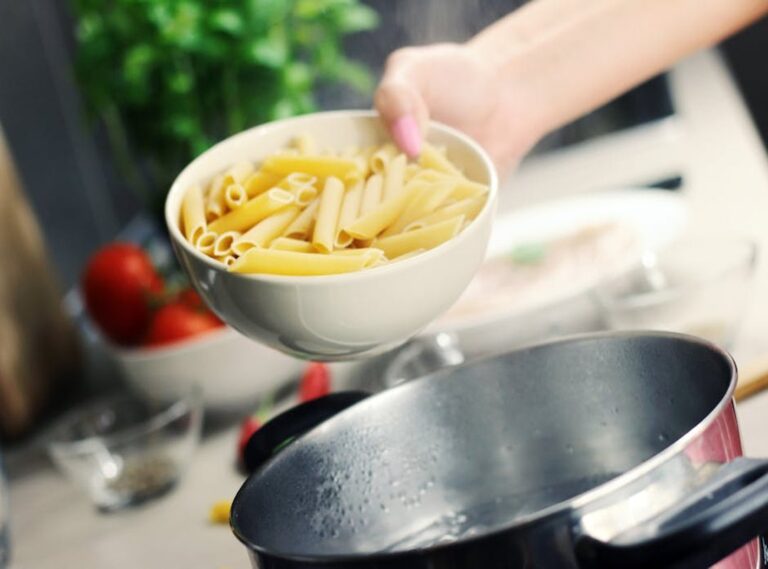
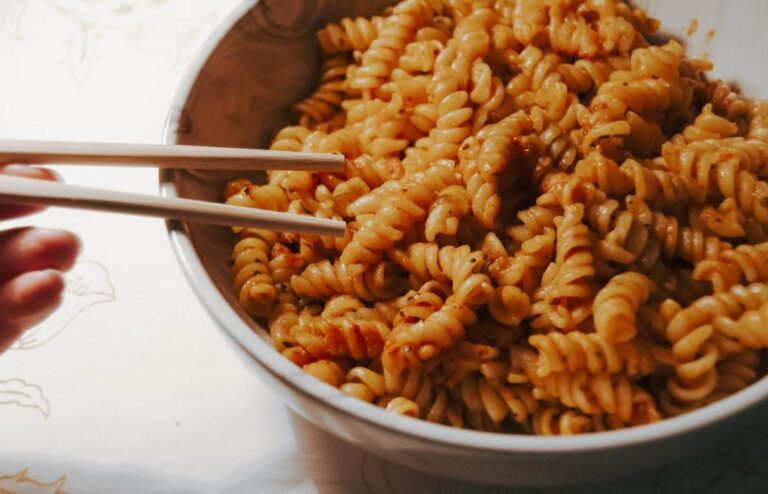
Start with the classic offender: pasta. Sauced noodles don’t age well unless you treat them right. Skip the microwave. Instead, reheat on the stove with a splash of broth, water, or even milk depending on the sauce type. Keep it low and slow. Stir often. The goal is revival, not scorched leftovers.
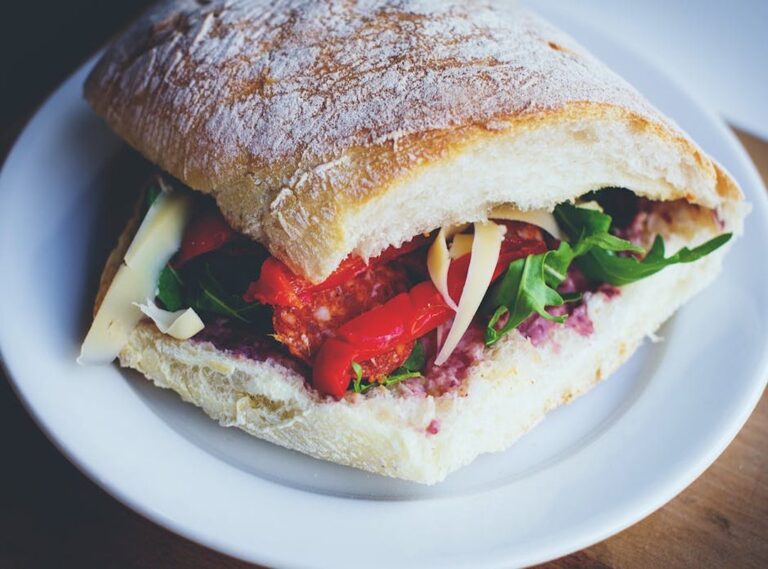
Next up: sandwiches and wraps. These are your undercover agents. Toss yesterday’s roasted veggies into a wrap with hummus or goat cheese. Chop up leftover grilled chicken or tofu and mix with a quick slaw. Stack smartly crunch, protein, sauce and no one will question if it’s the same chicken from two nights ago.
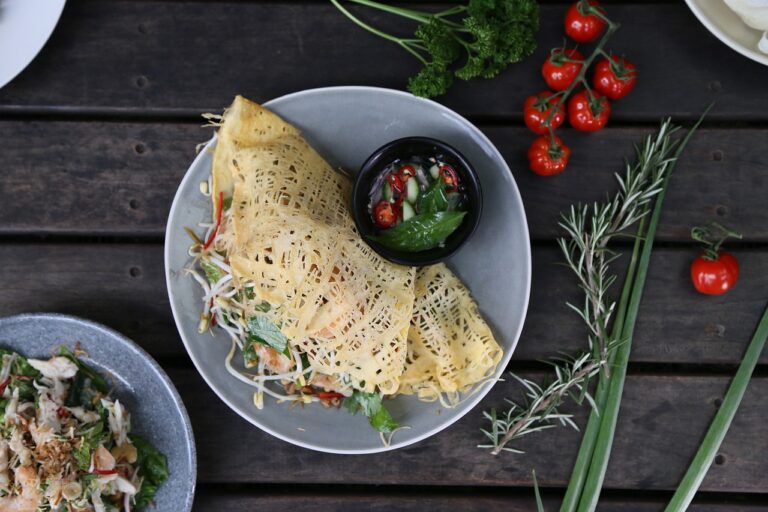
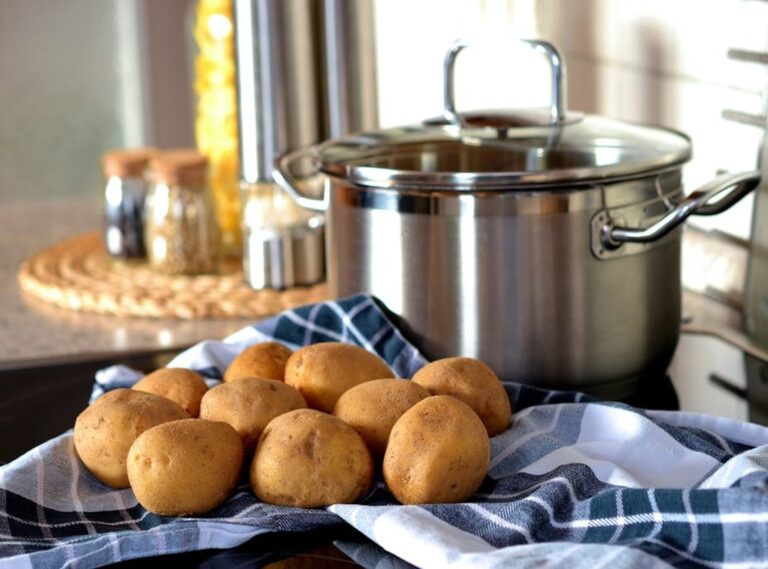
When in doubt, go modular. Pita pizzas and stuffed potatoes are blank slates. Spread any tomato based sauce on pita, add chopped odds and ends, sprinkle cheese, and broil for 5 minutes. Or slice open a baked potato, mash the insides with leftover chili or sautéed greens, top with cheese or herbs, and call it dinner. It’s about giving leftovers a second life, not just rewarmed airtime.
Mindset Shift: From Wasteful to Sustainable
Reusing food isn’t just a trick for saving dollars it’s part of a bigger shift in how we think about eating. When you turn forgotten rice or half a roasted squash into tomorrow’s lunch, you’re not just being thrifty. You’re refusing to let good food go to waste, and that shift matters.
This approach builds instincts, too. Over time, your brain starts connecting the dots faster: coleslaw becomes a tangy topping, limp herbs get blitzed into pesto, leftover pasta turns into a crispy skillet pie. Cooking gets faster, sharper. You stop relying so much on recipes and lean more on your senses. Waste less, cook smarter it’s a feedback loop that just works.
This isn’t only about what’s practical, though. It’s about values. Cooking this way signals something bigger: that you value resources, time, and the planet. If you’re looking to dig deeper into how these habits tie into a more sustainable lifestyle, check out this guide on sustainable food habits.
Tools that Help the Habit Stick
Staying on top of leftovers isn’t just about good intentions it’s about having a system. Fridge inventory apps are a game changer. They let you track what’s on hand before it slips into the abyss of the crisper drawer. Pair that with calendar alerts (yes, set one) to remind you when something needs to be eaten or frozen, and suddenly you’re not playing fridge roulette anymore.
Switching to glass containers helps too. You can actually see what you’ve stored, which means you’re more likely to use it. Plus, they go from fridge to microwave with no drama. No mystery spills, no warped lids.
And for the scraps or sad leftovers that just didn’t make it compost. If it can’t be eaten, it can still serve a purpose. Whether you’ve got a backyard pile or a countertop bin, returning that waste to the soil closes the loop without guilt.
Make It a Lifestyle, Not a Chore
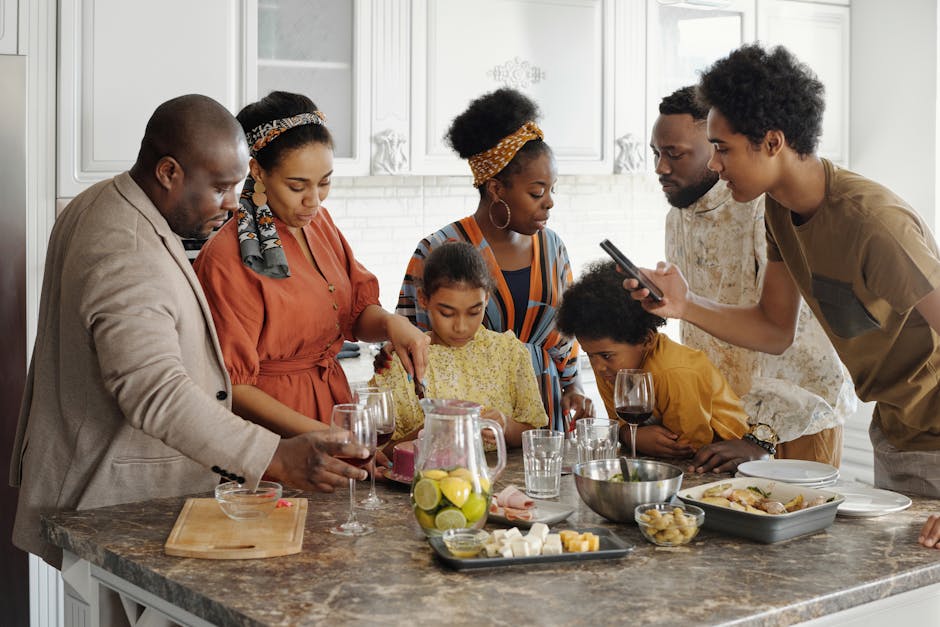
Getting serious about leftovers doesn’t mean you have to go it alone. Involve the people you live with partner, kids, roommates, whoever’s around. Try a weekly DIY leftover night: set everything out buffet style and challenge everyone to create something new using what’s already in the fridge. It’s like Iron Chef, but without the fancy plating or high stakes.
Add some competition if that’s your thing. Weekly challenges like who can pack the least waste lunch or come up with the most inventive reuse idea keep things moving and fun. Put a brag jar on the counter. Winner picks the next playlist or movie night.
And remember, repetition isn’t a failure. Turning that extra rice into fried rice or throwing yesterday’s roasted veggies into a wrap isn’t just convenient it’s smart. Mastering the remix takes pressure off dinner decisions and cuts way down on trash. Use what you’ve got, and make it a badge of honor, not a backup plan.








































































































































































































































































































































































































































































































































































































































































































































































































































































































































































































































































































































































































 As co-founder of FoodHypeSaga. Zyphara merges her creative energy with a passion for food culture and digital innovation. She drives the platform’s vision forward while writing about food trends that shape modern culinary conversations.