Macronutrients (Macros)
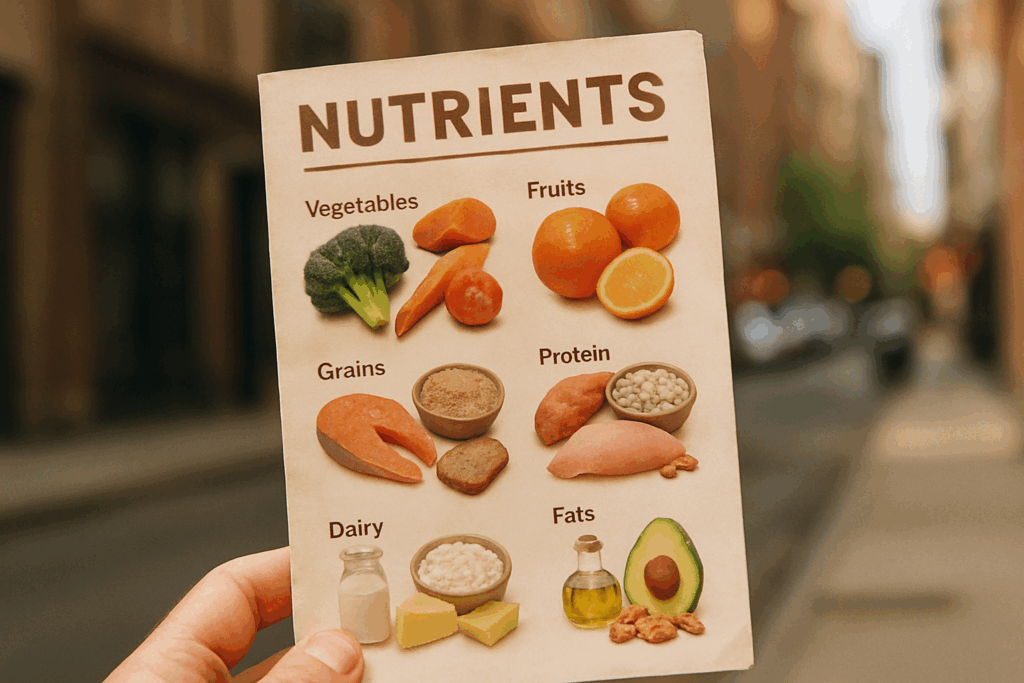
Macronutrients are the heavy lifters in your daily diet carbohydrates, proteins, and fats. Your body needs them in large amounts because they’re your fuel and your recovery crew. Carbs are your main energy source, breaking down into glucose to power brain and body. Protein supports muscle repair, hormone production, and keeps your immune system on its feet. Fats? They often get a bad rap, but good fats (think avocado, nuts, olive oil) help absorb vitamins and cushion your organs.
Each one packs energy. Carbs and protein each bring 4 calories per gram, while fats carry 9. That’s not a reason to avoid fats; it just means they’re more calorie dense, so manage portions with intention.
Micronutrients (Micros)
Micronutrients, on the other hand, fly under the radar. You only need tiny amounts, but they handle big jobs. Vitamins and minerals keep your body’s systems running behind the scenes immunity, cell production, and hormone regulation all depend on them. Think of micros as the support staff making sure everything happens on schedule.
Iron, for example, moves oxygen through your blood. Zinc helps wounds heal. Vitamin D boosts immune strength and bone health. The list goes on. Miss out on a few for too long, and you’ll start to feel it fatigue, sluggish metabolism, even brain fog.
In short: macros are what your body runs on, micros are what keep the engine from falling apart.
Why Balance Matters
It’s tempting to latch onto one macronutrient protein for muscle, fat for keto, carbs for energy but going all in on one while neglecting the others throws your system off balance. Too much protein can stress your kidneys. Low fat can mess with hormone production. Carbs only diets spike energy, then crash you. The body isn’t designed to run on extremes.
Micronutrient gaps are more sneaky but just as serious. Vitamin D deficiency? Fatigue and low immune strength. Not enough magnesium? Expect sleep problems and muscle cramps. These nutrients work in the background, quietly supporting everything from your heart to your brain. Ignoring them isn’t an option.
Your ideal intake isn’t static. Age, gender, activity level, and stress all shift what your body needs. An active 25 year old doesn’t eat like a sedentary 60 year old, and neither should pretend they can. What works for one person may do nothing or worse for another.
Fad diets that promise fast results ignore all of this. They often oversimplify, overrestrict, and underdeliver. Most are one size fits all, which, nutritionally speaking, fits no one well. Better results come from tuning into your body, not following the loudest voice on social media.
The takeaway? Respect your macros, don’t ignore your micros, and personalize your plate. That’s how long term health is built.
How to Build a Macro Micro Smart Plate
Eating smart isn’t about perfection it’s about getting the most value per bite. Start with whole foods that do double duty: salmon offers protein and omega 3s; eggs give you healthy fats plus vitamin B12 and choline. Leafy greens like spinach and kale? Fiber, iron, and a stack of micros. Even sweet potatoes hit carbs, vitamin A, and potassium all in one.
Whole foods should be your foundation. They’re bioavailable and often come with the good stuff fiber, antioxidants, co factors that supplements can’t replicate. That said, supplements have their place. If blood tests show you’re low in vitamin D or iron, or if stress is burning through your magnesium stores, a targeted supplement can help. The key: use them like patches, not crutches.
As for tracking your nutrients, skip the obsessive macros spreadsheet unless you’re training for something extreme. A smarter route for most: pay attention to your energy, mood, and recovery. Use simple tracking tools now and then to spot patterns, not to police your plate. Intuitive eating isn’t hand wavy when paired with some data, it gets sharp.
Make every meal do more. That’s the move.
A Tried and True Dietary Example: The Mediterranean Pattern
The Mediterranean diet isn’t a trend it’s a blueprint that’s lasted generations for a reason. At its core, it sticks to basics: healthy fats from olive oil and nuts, lean proteins like fish and legumes, and complex carbohydrates from whole grains and vegetables. No gimmicks. Just food that fuels you well without draining your energy or your wallet.
It’s also packed with vitamins and minerals. Think leafy greens, tomatoes, beans, fresh caught seafood. Meals built on these ingredients support immune function, brain health, and a steady metabolism.
What makes it stand out long term is sustainability. This way of eating isn’t about cutting corners or food groups it’s about balance. It’s easier to maintain, full of variety, and leaves room for real life. More importantly, heart disease, obesity, and inflammation all take a back seat when this diet becomes a habit.
For a deeper breakdown, take a look here: Mediterranean Diet Benefits
Fast Takeaways for Daily Implementation
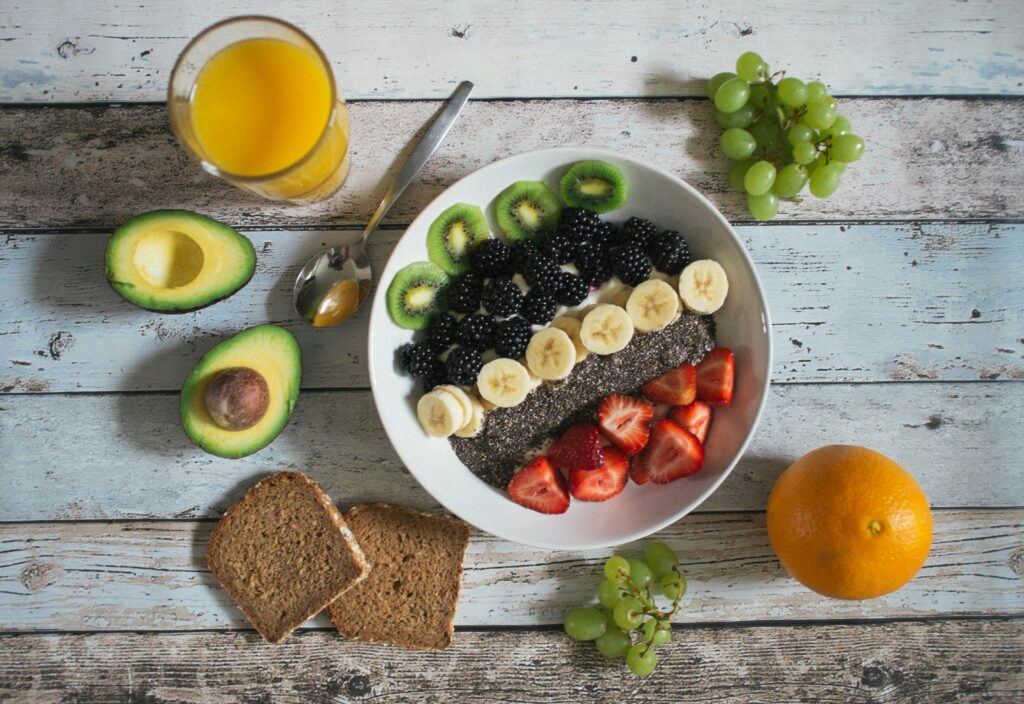
Keep it simple, but dialed in. Each meal should hit three non negotiables: protein, healthy fat, and fiber. This combo keeps blood sugar steady, hunger at bay, and energy sustained. Think eggs with avocado and sprouted toast. Or grilled chicken tossed over quinoa and mixed greens. No need to overthink it just aim for balance.
Next up: color. Micronutrients don’t come with labels, so variety is your best strategy. Rotate fruits and vegetables like you rotate playlists. One week it’s blueberries and spinach, the next it’s carrots and pineapple. Different pigments = different vitamins and minerals.
Finally, don’t get comfortable. Your body isn’t static your needs shift with stress, age, workouts, even the season. Pay attention, adjust, and stay open to trying new foods. Your plate should evolve just like you do.








































































































































































































































































































































































































































































































































































































































































































































































































































































































































































































































































































































































































































































 As co-founder of FoodHypeSaga. Zyphara merges her creative energy with a passion for food culture and digital innovation. She drives the platform’s vision forward while writing about food trends that shape modern culinary conversations.