Know Your Non Negotiables
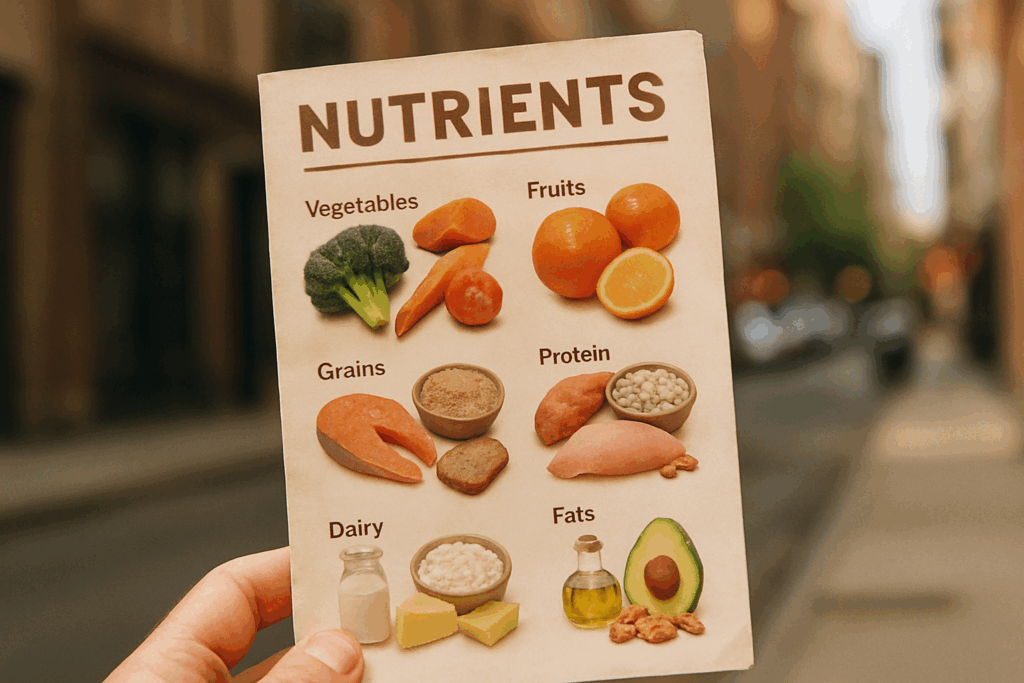
If you’re building a meal plan that actually works when life gets messy, here’s the bottom line: fuel first. That means meals that give you steady energy, not a quick high followed by a crash. Prioritize basics that do the heavy lifting lean proteins like chicken, eggs, or tofu; slow digesting carbs loaded with fiber like oats, brown rice, or sweet potatoes; and healthy fats from nuts, seeds, or olive oil.
You’re not aiming for perfection here just balance. A bowl of quinoa, roasted veggies, and a hard boiled egg does more for your day than some complicated, picture perfect plate you don’t have time to make or even want to eat. Simple, tasty combos are the unsung heroes of lasting habits.
For more no fuss ideas and realistic tips, check out balanced meal tips.
Map Out the Week Without Overcommitting
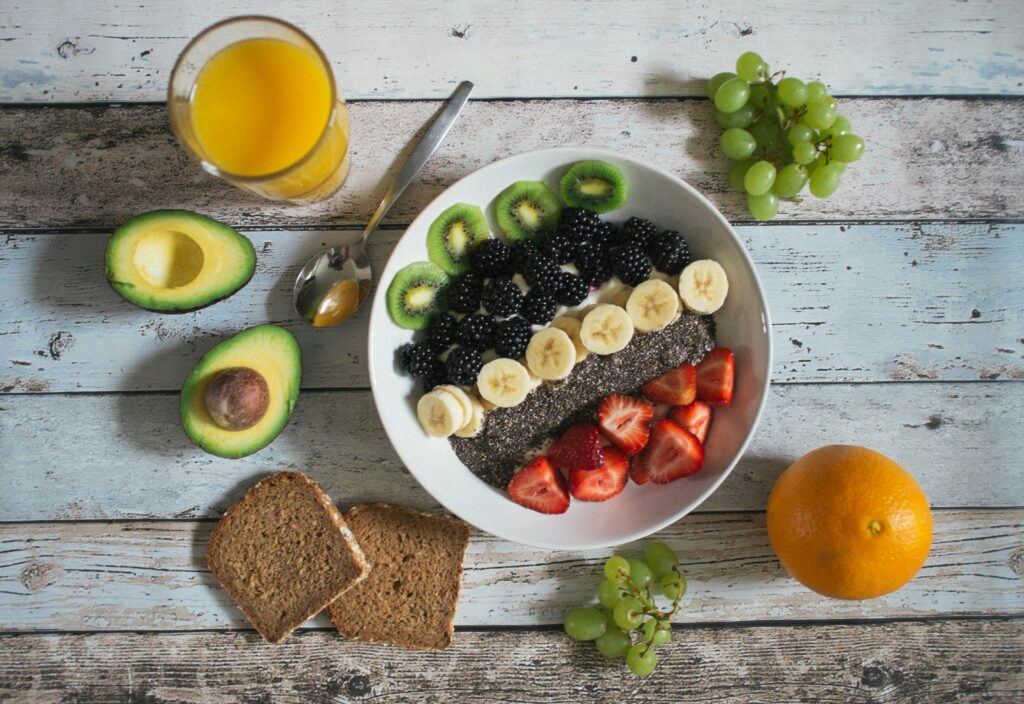
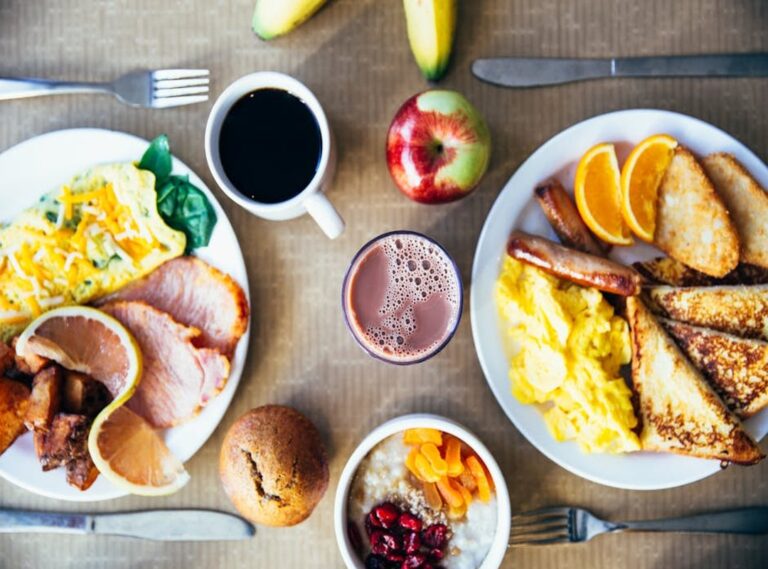
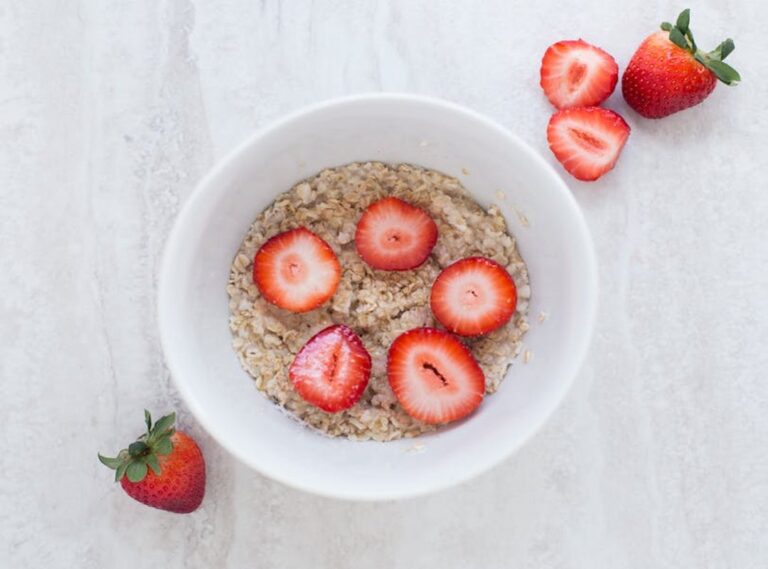
Start with breakfast. Pick two or three go to options that hit your nutrition goals and don’t make you think too much. Maybe it’s overnight oats, hard boiled eggs with fruit, or a smoothie you can blend in 90 seconds. Rotate them through the week. Keep ingredients in stock. Done.
For lunch and dinner, batch prepping is your fallback plan. Choose 2 3 proteins, a few veggies, and one or two grain or carb bases. Chop once, cook once, and mix different meals from the same ingredients. Think grilled chicken, roasted sweet potatoes, brown rice one day. Same rice with tofu and stir fried broccoli the next. Keep sauces on the side to switch things up.
Finally, plan for life to happen. Leave space for one quick pickup meal or delivery night. No guilt. The point is to reduce stress, not introduce more. A flexible structure beats perfection every time.
Keep Staples in Your Kitchen Arsenal
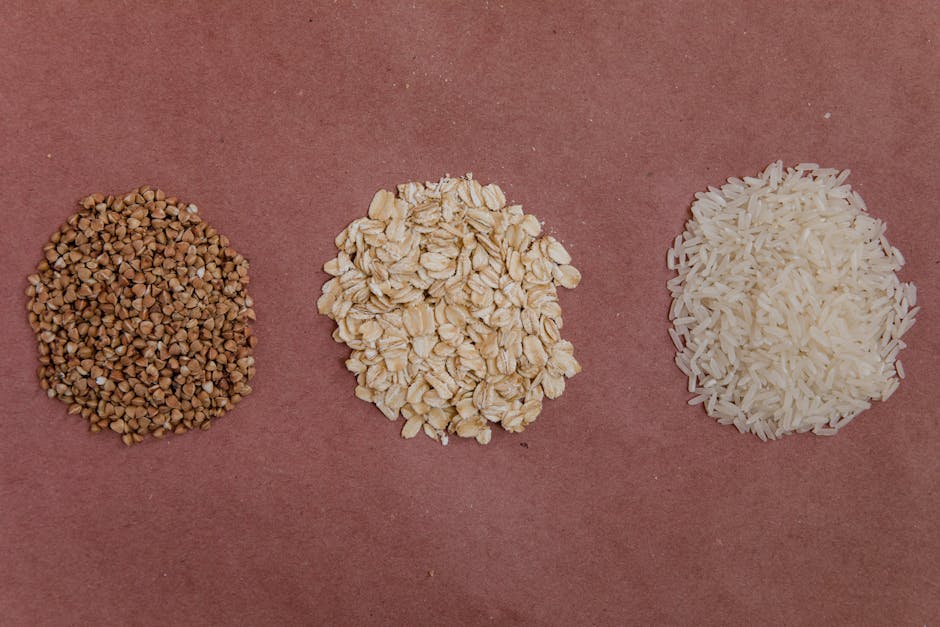
Busy weeks don’t leave room for complicated grocery runs or time consuming prep. The solution? Stock up on reliable staples that cut down on thinking and cooking time.
Start with your freezer and pantry. Frozen veggies are just as nutritious as fresh and last way longer. Pre cooked grains like brown rice or quinoa save you 30 minutes on a weeknight. Canned beans rinsed and ready turn into a fiber packed base or side in seconds. Don’t let the word “fresh” fool you; convenience doesn’t mean compromise.
For protein, build a rotation you can rely on. Eggs are endlessly versatile. Rotisserie chicken is a time honored hack for a reason. Tofu holds up all week in the fridge and soaks in whatever flavor you throw at it. Tuna packs? Instant protein hit with zero prep.
Then there’s flavor your secret weapon. A drizzle of olive oil, a squeeze of lemon, a splash of soy sauce, some minced garlic. These small punches are what take your five ingredient throw together from blah to actually craveable.
The point is simple: when the base ingredients are solid and on hand, you’re halfway to dinner before the question, “What’s for dinner?” even finishes forming.
Smart Shortcuts That Still Keep It Real
Healthy eating doesn’t have to mean hours in the kitchen. If it’s between a 15 minute dinner or hitting the drive thru again, go for the recipe that gets you fed fast without sacrificing nutrition. Pre chopped veggies, grain pouches, and salad kits are your best friends just keep an eye on the salt and sugar that sometimes sneak in with sauces and dressings.
Think functional, not fancy. A stir fry with frozen broccoli, tofu, and a ready made brown rice pouch is a meal. Toss in a handful of spinach to a store bought soup and boom nutrients. You’re not cutting corners; you’re staying in the game.
Not everything has to be scratch made. Give yourself some slack without dropping your standards. And remember: 15 minutes of light assembly beats 45 minutes of delivery regret.
Build a Repeatable Framework
When you’re juggling work, errands, and everything else, your meals shouldn’t need to be a daily puzzle. Go with formats that cut down on decisions. One sheet dinners, slow cooker meals, and mason jar salads aren’t just Pinterest worthy they’re practical. These are the kinds of combos you can batch, store, and repeat, without burning out your brain.
Make it a habit to keep a running note in your phone with flavor combos you actually enjoy. Not influencer recipes you’ll never try, but stuff you’ve had and liked like chickpeas + spinach + tahini, or chicken + rice + roasted broccoli. When you’re stuck, scan the list and skip the overthinking.
To dodge burnout, cycle ideas monthly. If you made a veggie curry three times in September, shelve it for a few weeks. The goal is sustainable variety. If it works, keep it in the mix, but don’t kill it with overuse.
More tips here: balanced meal tips
Make It Visual, Make It Stick
Planning your meals isn’t just about intention it’s about making that plan clear, visible, and easy to follow when the week gets busy.
Use Simple Tools That Work for You
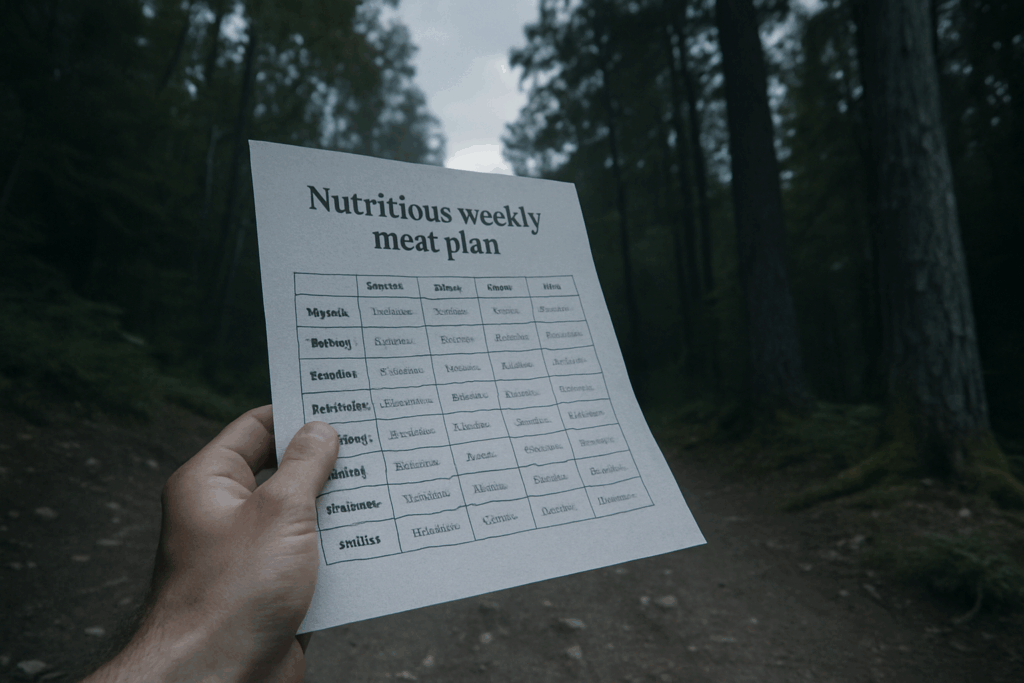
You don’t need fancy software to stay organized. A basic meal grid or a free planning app can go a long way in helping you stay on track.
Create a weekly layout showing meals and key snack ideas
Use spreadsheet templates, a paper planner, or free apps like MealBoard or Plan to Eat
Keep it simple overcomplicating leads to skipping
Make Your Plan Unmissable
Having your meal plan visible helps it become a habit instead of an afterthought.
Print or write your plan and put it on your fridge or kitchen cabinet
Set reminders on your phone to help transition from planning to prep
Refer to the plan during grocery shopping to cut stress and impulsing
Planning Time Now = Saved Time Later
Putting in 15 30 minutes to plan your meals at the start of the week saves you hours in decision making, last minute grocery trips, or the temptation to order out.
Prepping mentally means fewer midweek “what’s for dinner” moments
When food is ready (or halfway prepped), you automatically eat better
Visual planning turns good nutrition from a guessing game into a strategy










































































































































































































































































































































































































































































































































































































































































































































































































































































































































































































































































































































































































 As co-founder of FoodHypeSaga. Zyphara merges her creative energy with a passion for food culture and digital innovation. She drives the platform’s vision forward while writing about food trends that shape modern culinary conversations.