Changing Weather, Changing Crops
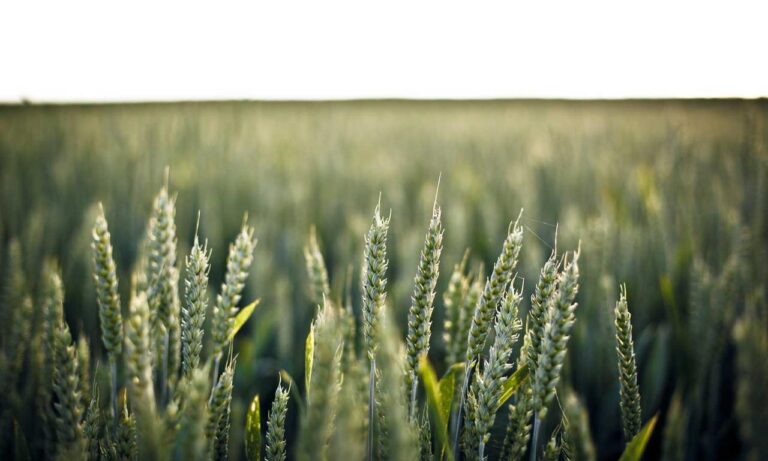
Farming has always depended on rhythm seasons, rains, frost lines. But now, the weather is playing off script. In many regions, growing seasons are starting earlier or ending sooner, if not skipping key phases altogether. Longer heatwaves, unseasonal frosts, floods, and droughts are all clashing with the precise conditions needed to grow staple crops like wheat, rice, and corn.
Wheat struggles in sustained heat. Rice depends on regular flooding which is now either arriving too late or not at all. Corn is especially vulnerable to high temperature stress during pollination. The result: yields are dropping in some of the most important breadbaskets around the globe. Farmers are betting on crops and getting blindsided by the elements.
This disruption isn’t evenly distributed. Some northern regions like parts of Canada, northern Europe, and Russia may see gains as their climates become more hospitable to agriculture. Meanwhile, equatorial and semi arid zones are increasingly at risk. We’re looking at a potential reshuffling of who grows what, and where. The ag map of the future won’t look like the one we know now.
Adapting to these shifts isn’t just about planting different seeds. It’s about rethinking agriculture from the ground up.
Ocean Ecosystems Under Threat
The Effects of Warming Seas on Global Fish Stocks
As global temperatures continue to rise, so do ocean temperatures. This warming disrupts the delicate balance of marine ecosystems, particularly impacting fish populations that billions of people rely on for protein and livelihood.
Species are migrating toward cooler, deeper waters, complicating traditional fishing practices
Some fish populations are declining due to disrupted breeding cycles and changing food availability
Coastal communities are increasingly vulnerable to economic losses and food insecurity
Coral Bleaching, Ocean Acidification, and the Seafood Chain
Beyond warming temperatures, oceans are also experiencing acidification and widespread coral bleaching. These phenomena, though often discussed in environmental terms, have direct consequences for seafood supply.
Coral bleaching reduces the habitat needed for many fish species, especially in tropical zones
Ocean acidification weakens shellfish like oysters and clams, reducing reproductive success and yield
As foundational marine life declines, so does the stability of the broader seafood supply chain
Aquaculture’s Role in a New Marine Economy
With wild fish stocks in decline, aquaculture also known as fish farming has emerged as a fast growing solution to meet protein demand. However, it’s not without its own challenges and considerations.
Aquaculture now provides over half of the seafood consumed globally
Technological and sustainable farming practices are critical to managing disease, pollution, and ethical concerns
Diversification in farmed species can relieve overfishing pressure on wild populations while supporting food security
Future food solutions must include a sustainable mix of wild caught and farmed seafood, along with global efforts to curb emissions and protect marine habitats. Without intervention, the loss of ocean biodiversity may have irreversible effects on the global food system and economy.
Innovation on the Plate
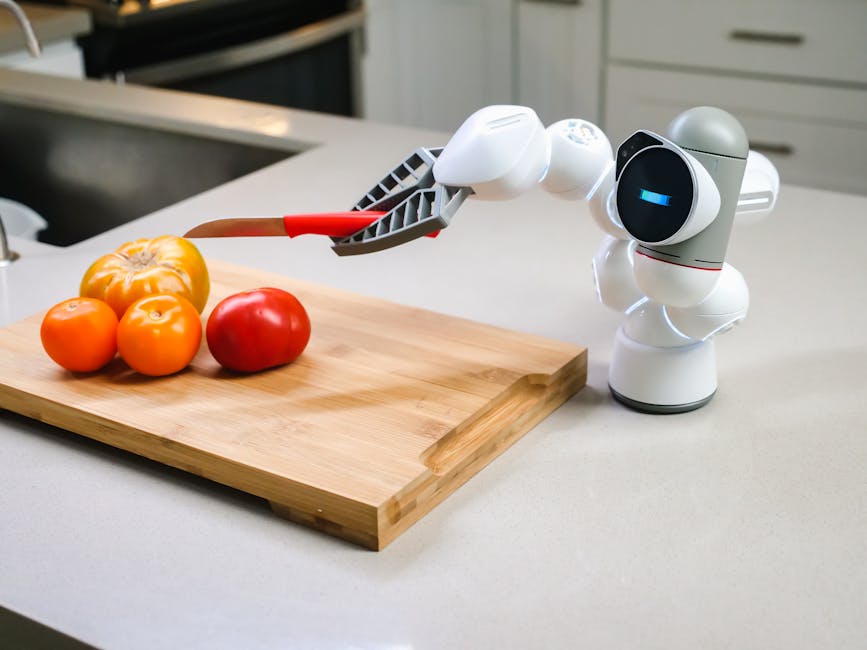
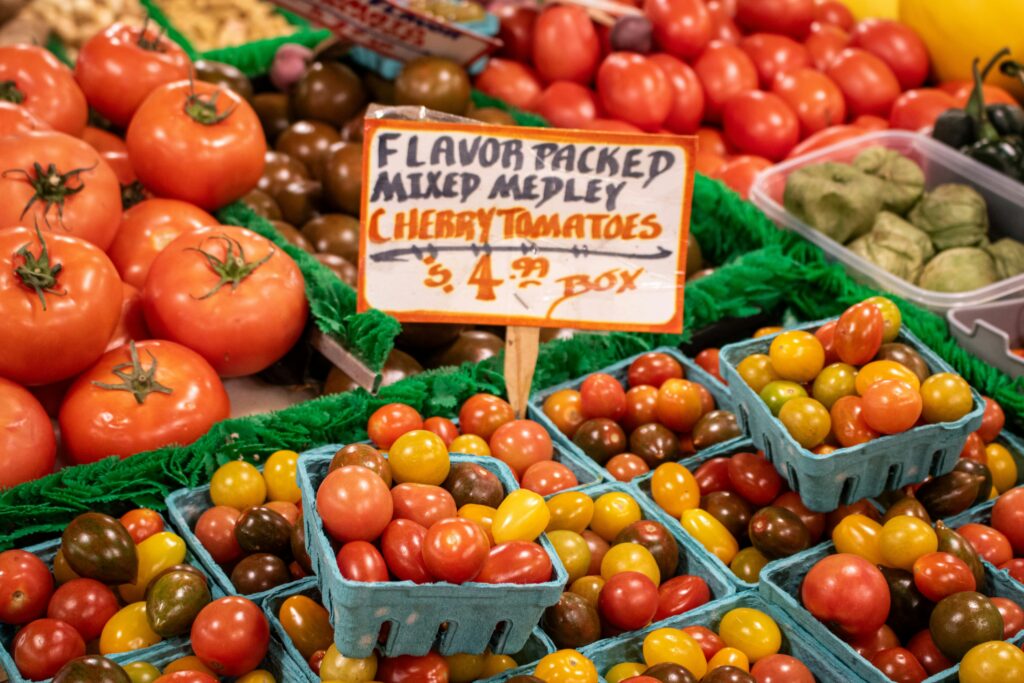
As climate stress reshapes what’s possible in agriculture, scientists and technologists are getting creative. Climate resilient crops are at the center of this shift engineered or selectively bred to withstand heat, drought, floods, and evolving pests. Think drought tolerant wheat, flood resistant rice, or tomatoes that handle erratic precipitation without rotting. These aren’t futuristic ideas they’re already in pilot programs across Africa, Southeast Asia, and parts of the Americas.
Meanwhile, vertical farming is growing up literally. These stacked systems use less land, less water, and deliver year round harvests independent of seasonal swings. Controlled environments mean less risk and tighter supply chains, especially in dense urban areas where traditional farms can’t compete. Lab grown meat is also making strides. It’s still expensive, but production costs are dropping, and once scalability hits, it could drastically cut agriculture emissions tied to livestock.
None of this happens without tech. Advanced sensors, genetic mapping, AI managed environments, and precision biochemistry are rewiring how we think about food production. The narrative is shifting from growing more to growing smarter with climate tolerance baked into every seed, system, and cell.
For more context on where this is all heading, check out Future of Food.
Food Security and Economic Impacts
Not every region faces the climate crisis on equal footing. Sub Saharan Africa, parts of South Asia, and small island nations are first in line when food supplies tighten. These areas often rely on rain fed agriculture and have fewer safety nets when crops fail or prices spike. Add conflict, poverty, and weak infrastructure into the mix, and what you get is a recipe for chronic food insecurity.
Adapting to these conditions isn’t cheap. Smallholder farmers who still produce a significant share of the world’s food are already stretched thin. Buying drought resistant seeds, upgrading irrigation, or shifting to new crops costs money many simply don’t have. On the supply chain side, higher energy prices, transport disruptions, and the need for climate proof storage facilities only push margins tighter.
Still, there’s a way through. Policy interventions that prioritize food resilience think crop insurance, subsidy reforms, and infrastructure funding are showing promise. Climate smart agriculture techniques like intercropping, agroforestry, and no till farming are spreading, because they work. Education matters too. The more communities understand the changes ahead, the better they can respond. Adaptation costs. Yes. But inaction costs much more.
Rethinking What We Eat
The conversation around climate change is now sitting squarely at the dinner table. Plant based diets aren’t just a lifestyle choice they’re a climate strategy. By replacing meat and dairy with legumes, grains, and vegetables, we cut down on emissions from livestock and free up the land and water they consume. It’s a simple equation: fewer cows, more carrots, less carbon.
But this isn’t just about tofu and kale. There’s a world of underused crops that could play a bigger role in our future diets. Think fonio, amaranth, seaweed, breadfruit nutrient dense, climate resilient, and largely overlooked by mainstream agriculture. These foods can thrive in tough conditions and diversify our options beyond factory farmed staples.
At the end of the day, every plate is a vote. The shift doesn’t require going vegan overnight it’s about making smarter, planet conscious choices more often. The more consumers reach for climate friendly meals, the more supply chains adapt. Small changes, when done en masse, reshape the system.
Hungry for more? Explore what’s next on the Future of Food.
What To Watch Going Forward
Science is moving fast and it has to. Researchers around the world are racing to develop heat tolerant crops, more efficient irrigation systems, and predictive models that give farmers real time climate data. CRISPR and other gene editing tools are playing a big role in breeding crops that use less water, resist new pests, and thrive in harsher environments. On the meat front, advances in cell based proteins and fermentation tech mean alternative proteins are getting closer to scale and shelf.
But science alone doesn’t tilt the scale. Global food systems are interconnected, and no country solves this problem by itself. Right now, international cooperation is better in press releases than in practice. Trade policies, food security commitments, and climate targets often move in silos. The big need? Cross border protocols on food innovation and more investment in shared infrastructure, especially in agriculture heavy regions hit hardest by climate volatility.
Bottom line: this isn’t theoretical anymore. Adapting how we grow, distribute, and consume food is non negotiable. The longer we wait, the more expensive and chaotic the transition becomes. The tools are here. Now it’s about having the will and working together to use them.











































































































































































































































































































































































































































































































































































































































































































































































































































































































































































































































































































































































































 Jennifera is passionate about sharing culinary stories that blend tradition with innovation. At FoodHypeSaga she creates engaging articles that inspire readers to discover new dining experiences and food movements.