
Quick Look at TikTok’s Grip on Food Culture
TikTok didn’t just crash the food scene it rebuilt it. What started as a platform for dance trends and viral skits has become a full blown food discovery engine. By 2026, it’s where people go to figure out what to eat, what to cook, and what snacks are worth hoarding. Creators with a stovetop and a ring light are nudging aside traditional recipe blogs and food magazines one 5 second sizzle at a time.
But what makes food content pop now? It’s not just aesthetics. In 2026, virality hinges on three key things: relatability, surprise, and speed. A grilled cheese isn’t enough it needs a twist (maybe pickled jalapeños or a ramen crust), a few satisfying sounds, and the kind of step by step pacing that rewards short attention spans. The best posts show how quickly a dish can go from fridge to plate, ideally with a splash of personality and a hook before the viewer can scroll.
Psychologically, it comes down to dopamine hits. Viewers gravitate toward content that promises reward either a tip they can use right now or a taste they can imagine instantly. Taps, likes, and shares follow formats people trust: clear visuals, confident takes, and a payoff that hits within seconds. Food is social currency on TikTok, and creators learn fast what the algorithm and the appetite want next.
Viral Recipes, Real Ingredients
TikTok food trends may come and go faster than a 10 second cooking hack, but their impact on what people cook and how they think about food is lasting. In 2026, some trends stick around longer not because they’re flashy, but because they’re practical, flavorful, and easy to recreate.
The Rise and Rhythm of Recipes
Some TikTok born food trends burn bright and fade fast. Others linger and evolve.
Short lived fads: Think butter boards and whipped coffee they captured attention but lost steam once the novelty wore off.
Lasting hits: Protein coffee, cottage cheese blends, and freezer snack hacks have become routine for health conscious users.
Evergreen ideas: One pan meals, air fryer experiments, and five ingredient sauces continue to thrive.
Trend takeaway: The trends with staying power are often simple, practical, and easy to adapt.
Simplicity Wins
While gourmet presentation can still trend, the core of successful TikTok recipes is accessibility.
Step by step clarity encourages replication
Everyday ingredients mean fewer barriers to entry
Short form format favors recipes that look doable at a glance
Why it works: When food feels easy and delicious, it becomes sharable and that’s what fuels TikTok’s viral engine.
Where Food Creators Source Fresh Ideas
TikTok creators are no longer digging for trends they’re helping shape them. But where do their fresh takes originate?
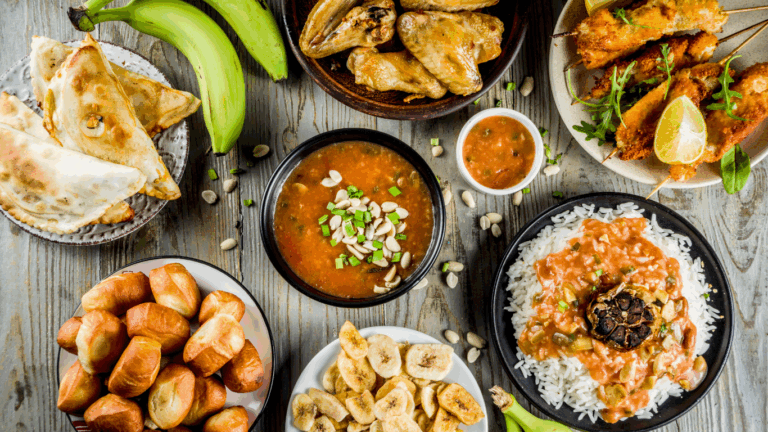
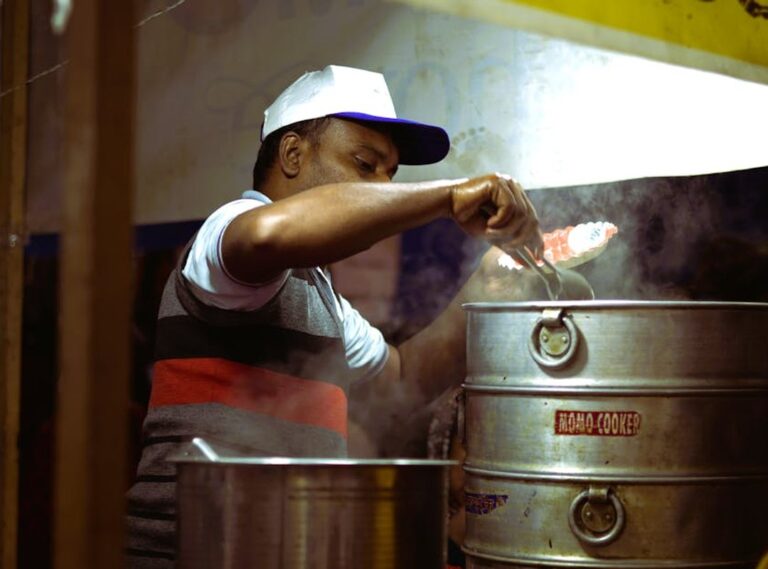
Street food staples from across the world are being remixed for the average home kitchen
Family recipes and regional specialties gain new life through modern formats
Online subcultures (fitness, skincare, even ASMR) influence what ingredients trend
Global Flavor Mashups
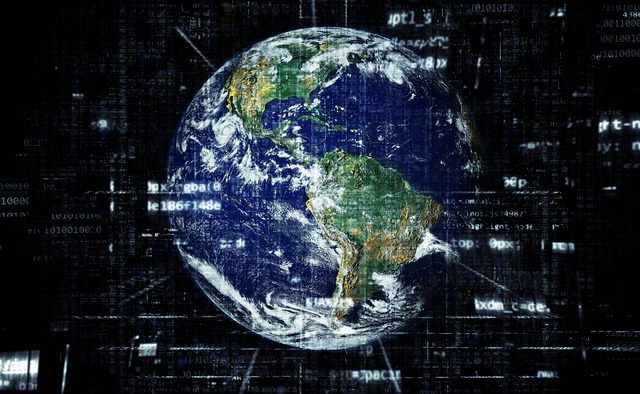
Cross cultural fusion is no longer niche it’s the norm. TikTok’s global reach means people aren’t just watching international recipes, they’re trying them in real time.
Korean American fusion lunchboxes
Mediterranean style high protein dishes reimagined with Latin flavor profiles
Southeast Asian spices in Western comfort foods
The result: A wave of hybrid cuisines that reflect not only global influence but also regional creativity, served up in ultra digestible formats.
The TikTok food landscape may be fast paced, but in 2026 it’s rooted in real world practicality, driven by user experience, and flavored with global diversity.
Algorithm Driven Culinary Creativity

Scroll through TikTok’s For You Page in 2026 and you’re essentially flipping through a futuristic cookbook. Except this one updates every five seconds and caters to your cravings before you even know what they are. The algorithm doesn’t just predict taste it shapes it. Spicy pickled strawberries? Grandma’s lasagna with a kimchi twist? It’s all fair game, and it’s all short form.
Creators are reshaping old world recipes by compressing centuries of tradition into 30 second bangers. It’s not dilution it’s distillation. A well choreographed step by step, minimal voiceover, punchy captions, maybe a sizzling audio trend to ride on. That’s the new mise en place.
AI plays its part behind the scenes. Script generators help shape tone and flow. Editing tools now clean footage fast adjusting lighting, pacing, and transitions with terrifying ease. But what cuts through is still human: a laugh during a spill, the real mess behind the plating, the off script moment that hits home. The tech just smooths the path.
In the end, this isn’t just food content. It’s performance, nostalgia, discovery and yes, dinner.
Gen Z and Millennial Palates: Shaping the Menu
Snack culture isn’t just a passing TikTok trend it’s a full blown lifestyle. For Gen Z and younger millennials, three square meals a day is old news. Instead, it’s all about micro snacking, grazing, and food that fits into a scroll heavy schedule. Charcuterie cups, two bite energy cookies, and 30 second microwave dumplings with fancy packaging aren’t just novelty anymore they’re the new normal.
Fast casual chains and indie grocers are adapting fast. Think menus built around viral ingredients like pickled garlic or crispy rice, limited drops of ‘TikTok famous’ fusion items, or grab and go kiosks stocked with functional snacks designed to go viral. These brands aren’t just feeding people they’re feeding the feed.
Plant based and functional food innovation is also feeling the ripple. Immune boosting wellness shots, protein packed seaweed crisps, and adaptogenic soda cans are building loyal followings, quick. With TikTok rewarding novelty and ingredient transparency, creators have become essential frontline marketers giving once niche ingredients a mass market moment.
For a deeper breakdown of the ingredients and format shifts driving this evolution, tap into this food trends to watch guide.
The Business Side of Going Viral
In 2026, TikTok isn’t just shaping food tastes it’s shaping the food business. Influencers are no longer just promoting snacks and seasonings; they’re launching their own. We’ve seen creators move from affiliate links to full blown ownership, dropping hot sauces, energy drinks, and frozen meals with their names on the label. And they sell. Fast.
TikTok is now the field test. A creator posts a recipe using an unreleased product or early prototype. Comments pour in, demand builds, and production scales sometimes before the product hits a real shelf. The gap between idea and market has never been thinner. Think of it as switch on virality: one video can trigger nationwide sellouts the same week.
Food brands are tapping in, too. Collabs with kitchen creators offer credibility and built in audience. The trend here isn’t hype for the sake of it it’s rapid, data backed validation. If your ghost pepper mayo makes fans scream in the comments, chances are it’ll move units next quarter.
Creators aren’t just riding the algorithm; they’re turning videos into shelf space. Real business, no fluff.
What to Watch Next
TikTok isn’t just influencing what we eat it’s shaping how entire cultures around the world interpret food. In 2026, this influence isn’t slowing down. Instead, it’s crystallizing. Local dishes are being reinterpreted for the global screen, and what’s traditionally regional is now potentially viral. Whether it’s a 15 second hack for instant ramen or a reimagining of indigenous recipes, the platform is building new food narratives that blend flavor with relatability.
But as novelty continues to drive views, creators are being asked either by their audience or by the changing tone of the algorithm to go deeper. Nutrition matters again. People want indulgence, sure, but they’re also scanning for gut health, protein content, and clean ingredients. That tension is creating a new breed of food content: stuff that looks over the top but is, at its core, thoughtful. Nutritious food doesn’t have to be boring. TikTok is where that experiment plays out.
More than ever, creators and brands are tuning into trend cycles that move faster than seasonal menus. Forecasting has become a real time skill, not a quarterly report. Keeping a pulse on rising ingredients, cultural shifts, and algorithm nudges can make the difference between being a footnote and breaking the next big trend. For a sharper look at what’s coming, check out food trends to watch.












































































































































































































































































































































































































































































































































































































































































































































































































































































































































 As co-founder of FoodHypeSaga. Zyphara merges her creative energy with a passion for food culture and digital innovation. She drives the platform’s vision forward while writing about food trends that shape modern culinary conversations.